

Hollywood celebrities exposing themselves on late night TV is more than entertainment—it’s a shocking glimpse into elite culture, power dynamics, and celebrity narcissism. Explore the most disturbing moments and the hidden truths behind the performances.
Introduction: The Shocking Side of Late Night TV
Late night television has long been a window into Hollywood’s glittering world. Fans tune in expecting charm, humor, and entertainment. Yet beneath the carefully curated smiles and witty banter lies something far more disturbing. Over decades, numerous celebrity appearances have exposed not just awkwardness or excess but troubling behaviors, entitlement, and glimpses into a culture often detached from reality.
From the billionaire antics of business magnates to erratic performances by actors and comedians, late night TV sometimes captures moments that are uncomfortable, surreal, and even alarming. The shows designed to amuse can reveal the stark contrast between public personas and private behaviors.
Conan O’Brien: The Master of Controlled Chaos
For over 30 years, Conan O’Brien has redefined the late night talk show format. Unlike hosts who rely heavily on scripted humor or sycophantic praise of their guests, Conan thrives on improvisation. His approach allows guests to be themselves—even when their true selves are chaotic, arrogant, or intoxicated.
Conan’s loose, improvisational style has made for some of the most iconic—and often disturbing—late night moments. He understands the fine line between entertainment and exposure, allowing the audience a rare peek at the unfiltered personalities of his celebrity guests.
Richard Branson and Salma Hayek: A Lesson in Entitlement
One of the most notorious examples comes from a 1990s appearance by Richard Branson alongside actress Salma Hayek. The interaction, meant to be playful and entertaining, quickly revealed a troubling power imbalance. Branson repeatedly touched Hayek on the couch, prompting Conan to intervene on live television.
The exchange showcased how extreme wealth and celebrity status can create a sense of invulnerability. Branson’s casual discussions about scouting a young Kate Moss and his flippant remarks on the “Mile High Club” illustrated an entitlement and disregard for boundaries rarely seen in ordinary social interactions.
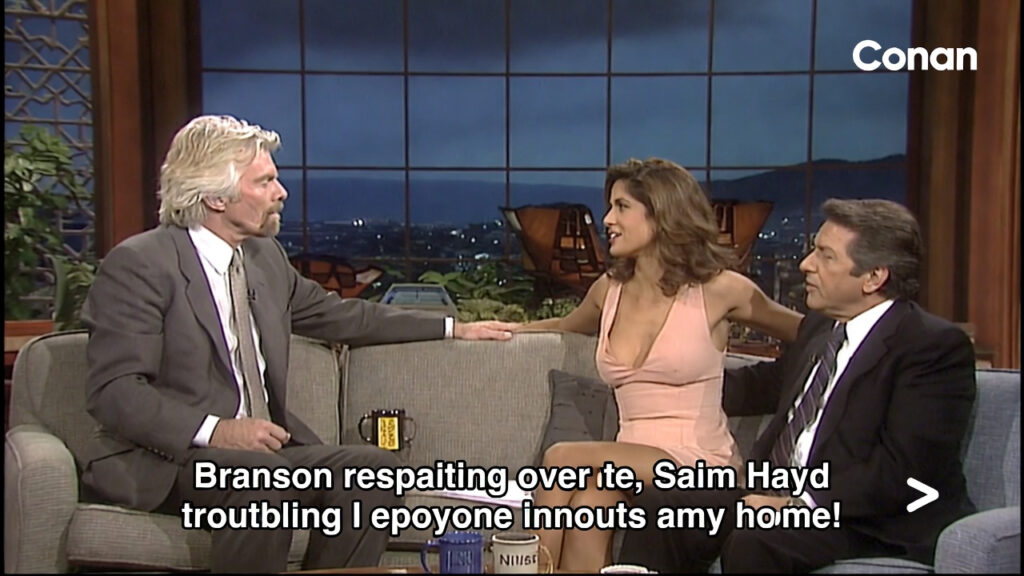
Years later, clips of this moment resurfaced online, with viewers describing it as creepy, over-the-top, and emblematic of elite detachment from the public. It highlighted how some individuals in positions of extreme privilege often operate beyond accountability, reinforcing the stark contrast between everyday norms and elite behavior.
The Power Dynamics of Celebrity Culture
Celebrity culture is inherently performative. Public appearances are crafted to project confidence, charisma, and charm. However, moments like the Branson-Hayek interview expose the underlying dynamics of entitlement, narcissism, and unchecked power. These interactions often reveal more about the structures and systems surrounding celebrities than about the individuals themselves.
Late night TV becomes a unique platform for this exposure. Unlike interviews carefully managed for image control, unscripted moments on Conan’s show sometimes peel back the layers, revealing vulnerability, arrogance, or moral indifference.
Carrie and Steven Wright: A Clash of Personalities
Another notable instance involved actress Carrie Carrie Fisher and comedian Steven Wright. Wright’s deadpan humor clashed spectacularly with Carrie’s chaotic energy. Within minutes, she insulted Wright, disrupted the flow of the interview, and demanded constant attention.
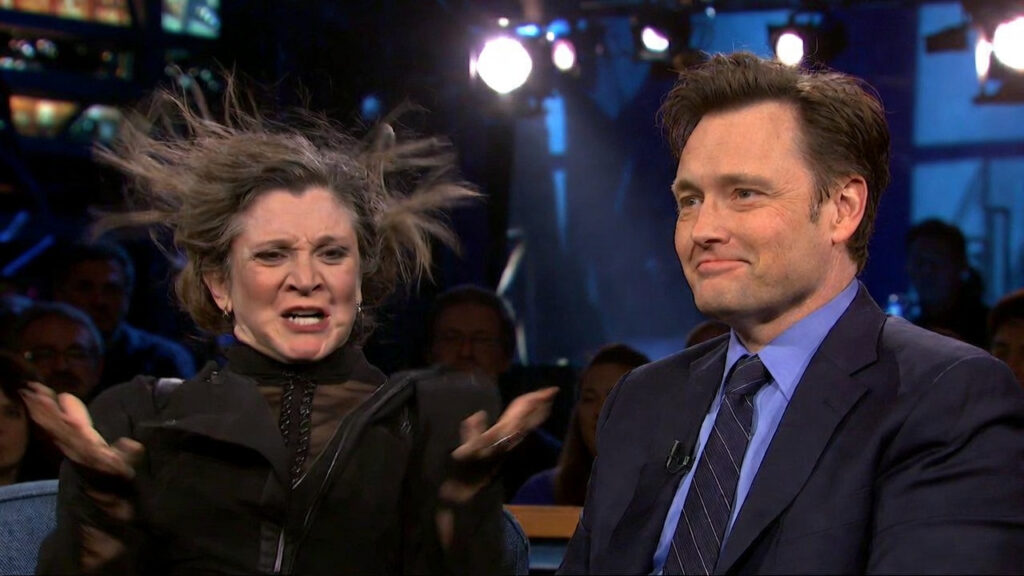
This interaction exemplifies a common trait in celebrity culture: the compulsion to dominate every moment. For some, public appearances are less about entertaining audiences and more about maintaining personal validation. When Conan navigated this tension, his skill at balancing humor and exposure turned potential disaster into memorable television.
Abel Ferrara: The Guest Who Fled the Stage
Arguably one of Conan’s most infamous moments involved director Abel Ferrara. Scheduled to appear for a segment, Ferrara fled the set, ran out into Manhattan streets, and had to be physically brought back by the production team.
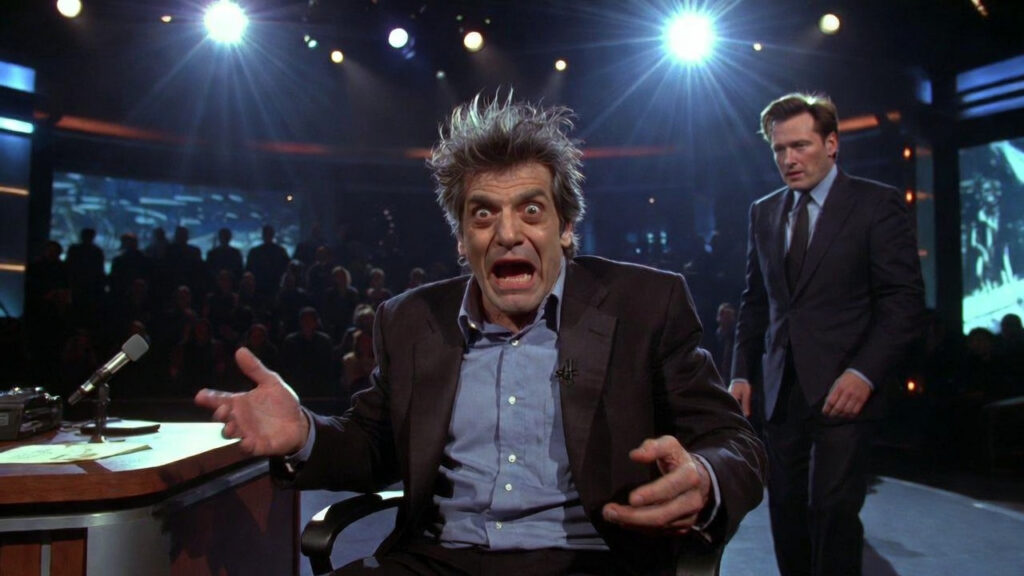
Once back, his erratic behavior—slumped posture, mumbling, and incoherent outbursts—was broadcast live. Unlike other hosts who might have edited or rescheduled the segment, Conan aired the footage, preserving a raw, unfiltered glimpse into the pressures, eccentricities, and mental state of celebrity guests.
The Decline of Authenticity in Late Night TV
Over time, network television has moved toward sanitized, scripted interactions. Shows like The Late Late Show with James Corden exemplify this trend, with meticulously planned segments and controlled content. Even apparent spontaneity, like Corden’s Carpool Karaoke, is often pre-recorded or staged to maintain a flawless image.
This overproduction contrasts sharply with the messy authenticity Conan championed. The rise of platforms like the Joe Rogan Experience demonstrates that audiences crave genuine conversation—even if it is chaotic, intoxicated, or unconventional. Real moments, unscripted dialogue, and visible imperfection resonate more deeply than meticulously curated content.
Celebrity Misconduct and Public Exposure
Late night television occasionally intersects with darker aspects of celebrity culture, including legal scandals and allegations of misconduct. High-profile appearances sometimes reveal glimpses of entitlement, moral compromise, or behavior inconsistent with public images.
Such exposure can have a profound cultural impact, reminding audiences that fame often shields unethical behavior from public scrutiny. By broadcasting these interactions, shows like Conan’s disrupt the narrative of untouchable celebrity perfection, illustrating the real human flaws behind the image.
The Role of Network Executives and Censorship
Despite Conan’s reputation for authenticity, network executives often impose limitations to maintain corporate and legal standards. Historical conflicts, such as those involving Norm Macdonald’s jokes about O.J. Simpson, demonstrate how executive influence shapes content and restricts certain conversations.
Conan’s resistance to censorship—by continuing to book controversial guests and airing moments of chaos—highlights the tension between corporate oversight and creative integrity. His career exemplifies how comedians and hosts navigate this balance while trying to preserve authenticity.
The Audience’s Role in Celebrity Exposure
Audiences play a critical role in interpreting celebrity behavior. Social media amplifies unscripted moments, allowing clips to spread globally and provoke discussions far beyond the original broadcast. Reactions range from humor to outrage, reflecting cultural values and public expectations of accountability.
As viewers, witnessing celebrity misbehavior can be simultaneously entertaining and instructive. It sheds light on power dynamics, ethical lapses, and the broader consequences of unchecked privilege.
Lessons from Late Night Chaos
The most striking takeaway from decades of late night exposure is the humanization of celebrity culture. Despite wealth, fame, and influence, celebrities exhibit insecurity, entitlement, and occasionally disturbing behavior.
These moments serve as cautionary tales, illustrating that behind every polished appearance lies complexity, vulnerability, and sometimes moral ambiguity. Conan’s work reminds audiences that television, while entertaining, can also be a mirror reflecting societal hierarchies, privilege, and human imperfection.
Why We Should Care About These Exposures
Late night TV is more than entertainment; it’s a cultural lens. The behavior of celebrities, whether erratic, entitled, or unethical, informs our understanding of elite society, public morality, and media dynamics.
By observing these interactions, viewers gain insight into:
- The consequences of unchecked privilege
- Power imbalances in media and society
- The performative nature of celebrity culture
- The importance of authenticity in public discourse
These lessons extend beyond television, influencing perceptions of social hierarchy, ethics, and human behavior.
Conclusion: Beyond the Laugh Track
Hollywood celebrities exposing themselves on late night TV offers more than shock value—it’s a revealing study of power, privilege, and human complexity. From Branson’s overconfidence to Ferrara’s flight, these moments capture the collision of performance and reality.
Conan O’Brien’s unique approach has preserved these interactions for posterity, highlighting the contrast between authentic behavior and crafted personas. In a media landscape increasingly dominated by sanitization and social media curation, such authenticity is rare—and valuable.
As viewers, paying attention to these unscripted moments encourages critical thinking, empathy, and awareness of the forces shaping entertainment and culture. Hollywood, in all its chaos, is a reflection not just of fame, but of humanity itself.
FAQs
1. Why do some celebrities act strangely on late night TV?
Late night TV often combines humor, alcohol, stress, and performance pressure. Celebrities may behave erratically when they feel entitled, anxious, or performative.
2. Has Conan O’Brien ever aired controversial moments?
Yes, Conan has broadcast unscripted chaos, including Richard Branson touching Salma Hayek and Abel Ferrara fleeing the set. These moments reveal human flaws rarely seen in other talk shows.
3. How has late night TV changed over the years?
Network shows have become more scripted and sanitized to avoid controversy, unlike earlier shows that allowed improvisation and authentic chaos.
4. Why do audiences care about celebrity misbehavior?
Audiences are drawn to unscripted moments because they reveal authentic personalities, power dynamics, and ethical lapses, which are both entertaining and informative.
5. What can viewers learn from these moments?
Such incidents highlight privilege, power, entitlement, and the performative nature of fame, encouraging awareness and critical thinking.
6. Are unscripted moments more popular than staged content today?
Yes. Podcasts and streaming platforms thrive on authentic, messy, and chaotic interactions, showing that audiences prefer real engagement over polished performances.